Why Cognitive Screening Matters
If you have Medicare, your free Annual Wellness Visit includes a required check for memory or cognitive issues. We use BrainCheck to make this screening quick, accurate, and meaningful for you and your family.
Catching cognitive decline early matters—it allows you to:
- Stay independent longer
- Treat reversible causes like vitamin deficiencies or depression
- Start care when it’s most effective
- Plan ahead together

BC Screen
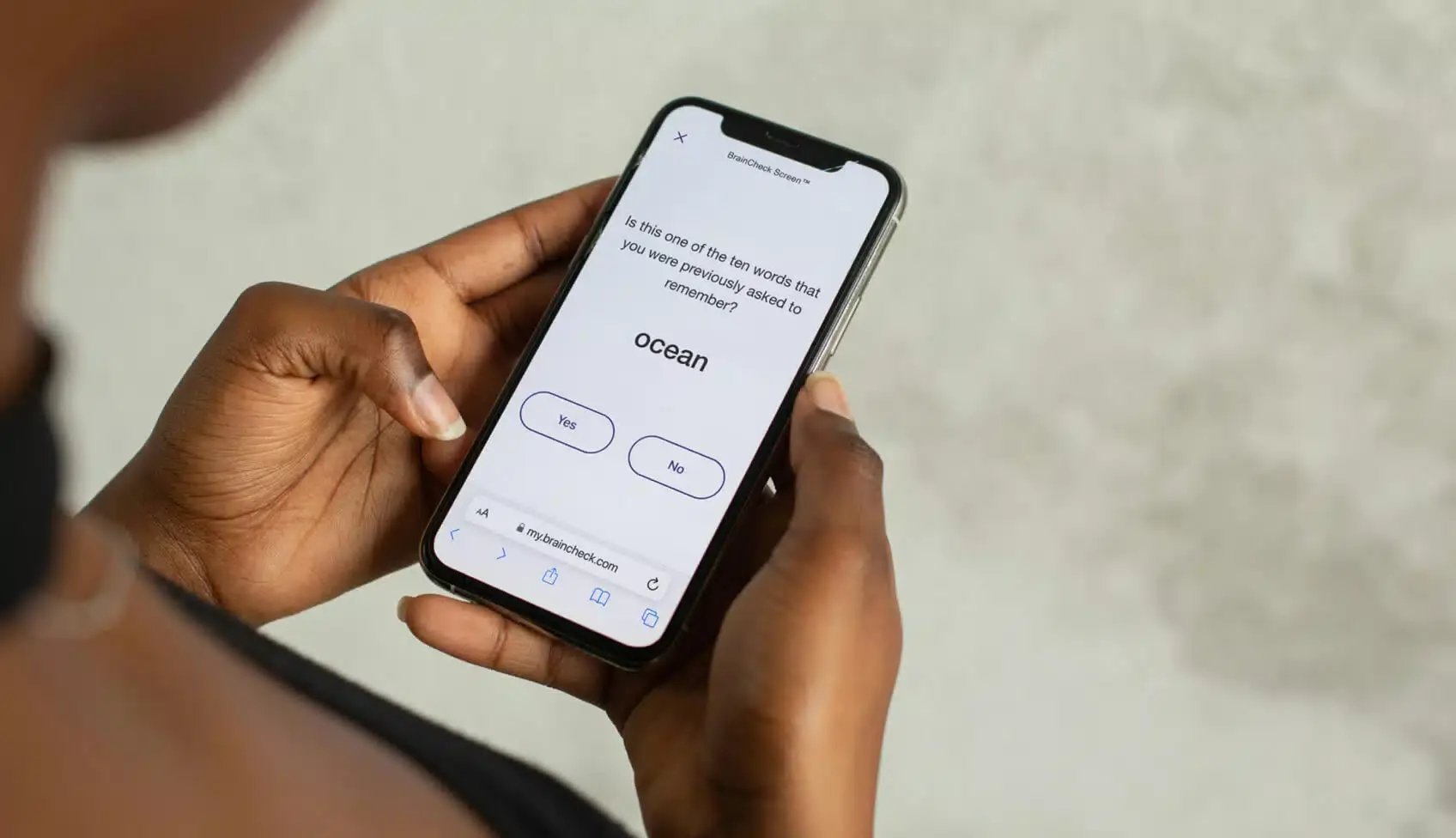
~3–5 minutes | Self-guided or clinician-assisted
A quick digital screener to assess core brain functions like memory, attention, and processing speed. It’s ideal for routine screenings during wellness visits. You can take it at home or in clinic on any device.
BC Assess
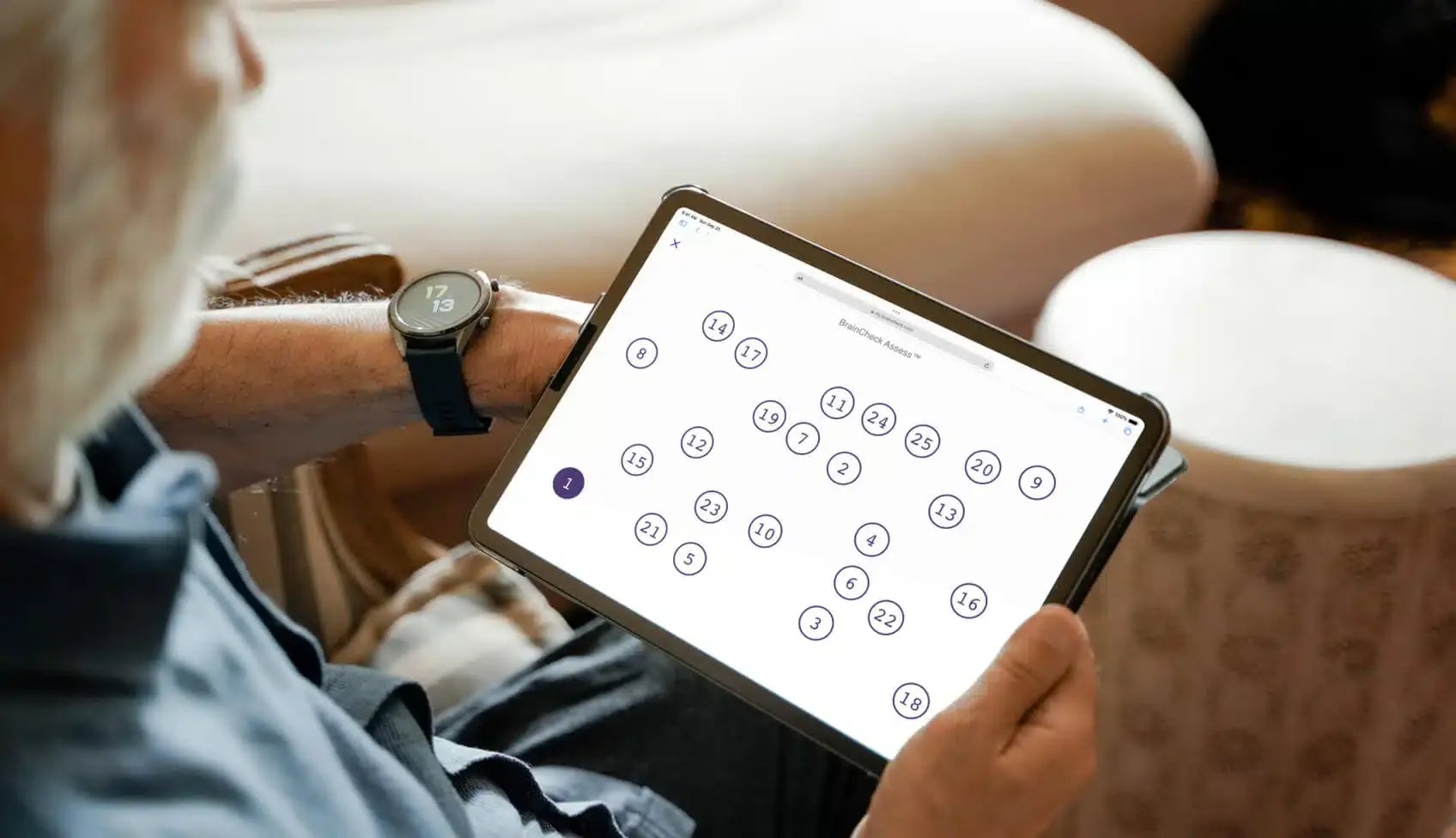
~10–15 minutes | Clinician-administered
A more detailed evaluation across multiple cognitive domains. Assess helps us establish a baseline or investigate areas of concern—guiding diagnosis, care planning, and tracking over time.
BC Care Plan
If your Assess results indicate cognitive changes, we’ll use them to create a customized Care Plan.
This plan includes specific recommendations tailored to your situation—from medical treatment to lifestyle strategies. Each Care Plan may include:
- Medication guidance
- Diet, exercise, and sleep recommendations
- Safety and independence planning
- Mental health and caregiver support
- Activities to stay mentally and socially engaged
Care Plans are typically updated every 6 months to reflect changes in your cognitive health and adjust your care accordingly.

How BrainCheck Assess Scores Work
BrainCheck Assess gives you a bellcurve score out of 200 —where 100 is the average—for each area of cognitive function. A score of 100 means you’re performing exactly as expected for someone like you—based on BrainCheck’s normative database.
| Score Range | What It Means |
| 86–115+ | Normal – in line with expectations. |
| 70–85 | Slightly below average for age – If you are concerned about memory or thinking, discuss results with your doctor. |
| Below 70 | Below expected – additional evaluation encouraged |
Note: BrainCheck does not diagnose dementia, Alzheimer’s or any medical condition.

Did you know?
Reading regularly can keep your mind engaged and healthy. Like a workout, but without the sweat.